2 min read
Feb 26, 2026
Podcast Feature: How Can Nonprofits Build Systems That Help Staff Thrive (Not Just Survive)?
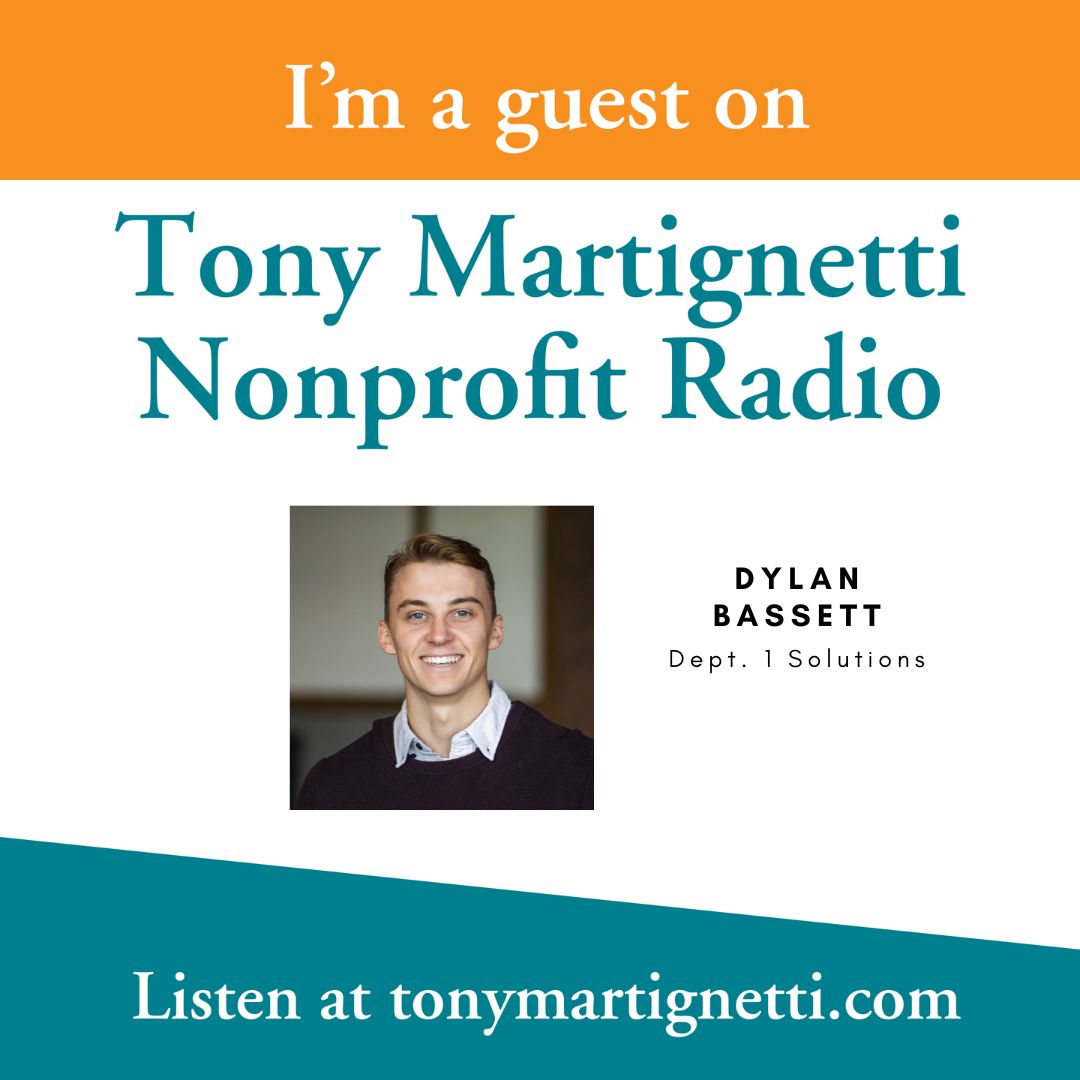
Listen to the Episode
Check out my good friend Tony Martignetti here: https://tonymartignetti.com/2026/02/nonprofit-radio-for-february-23-2026-systems-processes-so-your-people-thrive/
What Is the Role of Systems in Nonprofit Success?
Nonprofits thrive when their systems and processes reduce manual work, improve clarity, and allow staff to focus on mission — not data entry.
In my conversation on Tony Martignetti Nonprofit Radio, we explored how small and mid-sized nonprofits can build practical, human-centered systems that create operational clarity and long-term sustainability.
Key Takeaways from the Episode
Systems should support people — not force people to adapt to technology
Manual data transfers between tools are a red flag
Underutilized CRMs waste both money and staff time
Process documentation comes before automation
General operating support enables nonprofits to invest in mission infrastructure
What Does “Invisible Infrastructure” Mean in a Nonprofit?
Invisible infrastructure refers to the systems, integrations, and standard processes that power daily operations behind the scenes.
Many nonprofits only recognize the absence of infrastructure when something breaks:
A staff member leaves and knowledge disappears
Reports take weeks to compile
Data must be manually reconciled across platforms
Donor follow-up tasks slip through the cracks
Strong infrastructure prevents these breakdowns.
How Do You Know If Your Technology Isn’t Working for You?
Look for these common symptoms:
Staff manually copying data between systems
CRM functioning as a “glorified spreadsheet”
Paying for software but using only basic features
Reporting requires heavy manual compilation
Staff frustration or burnout tied to workflows
When humans are acting as the “integration layer” between platforms, it’s time to rethink your systems.
Where Should Nonprofits Start?
Before investing in new technology, start with process documentation.
Document:
How a new donor is stewarded
How a gift moves from CRM to accounting
How client intake flows through program delivery
How reporting is compiled
This “current state analysis” clarifies:
What steps exist
Where technology could extend
What automation is possible
What tools are actually required
Technology should be mapped to process — not the other way around.
Example: Automating Client Intake and Reporting
In the episode, we discussed a common service-delivery scenario:
Instead of:
Paper or web forms sent to spreadsheets
Manual data entry into CRM
Manual follow-up reminders
Manual year-end reporting
A system can:
Capture intake through a digital form
Automatically create a client record
Route cases to the correct program specialist
Generate follow-up reminders
Track services delivered
Feed impact reporting automatically
The result: Program staff focus on people, not spreadsheets.
Why General Operating Support Matters
Operational strength requires investment.
Unrestricted funding allows nonprofits to:
Upgrade CRMs
Improve integrations
Implement automation
Build sustainable internal systems
Technology is not overhead — it is mission infrastructure.
Organizations that thrive operationally are able to:
Serve more people
Improve donor relationships
Reduce staff burnout
Produce stronger impact reporting
What Should Nonprofits Watch Out For?
When hiring consultants or evaluating technology:
Be clear about deliverables
Know whether you need strategy, implementation, or tool selection
Avoid paying for plans without execution support if you don't have a dedicated system owner
Ensure outcomes are defined before engagement
Systems work requires clarity on all fronts.
Final Thought
Nonprofits deserve tools that work for them.
When systems are designed intentionally:
Staff thrive
Donors receive better stewardship
Clients experience smoother service delivery
Leadership gains strategic clarity
The goal isn’t complexity.
The goal is operational freedom.
If you’d like to explore how your organization can strengthen its systems, document its processes, and build technology that supports your mission — reach out to us below. We can't wait to hear from you.
